Upbit fees is a KRW-market cost schedule for Korean spot traders
Crypto exchange fee schedule for spot trading, deposits and withdrawals, including KRW market costs for BTC, ETH and XRP pairs.
Upbit fees is a percentage-based exchange cost model for buying and selling digital assets on Upbit, Korea's large spot crypto exchange. The main trading expense is the commission applied to completed orders, with KRW markets commonly shown at 0.05% and BTC or USDT markets shown separately. Withdrawals add fixed asset-specific charges, while deposits are treated differently from trading costs, creating a clear cost map for Bitcoin, Ethereum and XRP.
Where costs appear during a KRW order
A KRW order has three numbers to watch: the order price, the filled quantity and the trading commission. The commission is calculated from the filled value, so a larger BTC/KRW or ETH/KRW trade pays a larger absolute won amount even when the percentage rate stays the same. Upbit displays the fee around the order and history flow, which lets a trader reconcile the cost after the fill rather than guessing from the quoted coin price alone.
A BTC/KRW order exposes Upbit fees most plainly because the quote currency is Korean won. If the trade value is 1,000,000 KRW and the KRW market commission is 0.05%, the trading charge is 500 KRW before considering future withdrawal costs. The same structure applies to ETH/KRW, XRP/KRW and other won pairs, with the final charge following the amount that actually executes.
KRW markets, BTC markets and USDT markets
The exchange separates markets by quote currency. KRW pairs price assets directly in Korean won, BTC pairs price one crypto asset against Bitcoin, and USDT pairs price assets against Tether. That distinction matters because fee tables use market groups rather than one universal number for every pair. A trader moving between BTC/KRW and an altcoin/BTC book is changing both the quote asset and the fee line used for the trade.
| Market group | Quote asset | Cost focus |
|---|---|---|
| KRW market | Korean won | Spot commission on won-denominated trades such as BTC/KRW |
| BTC market | Bitcoin | Commission on crypto-to-crypto books priced in BTC |
| USDT market | Tether | Commission on stablecoin-quoted pairs where available |
Because Upbit fees apply to the filled order value, the market group becomes part of route selection. Buying a coin directly with KRW has a different cost profile from buying Bitcoin first and then trading into a BTC-quoted asset. The second route creates two executed trades, so it creates two commission events.
BTC, ETH and XRP pairs in the fee calculation
Bitcoin, Ethereum and XRP are useful examples because they represent common search intent and different withdrawal mechanics. BTC and ETH trades on KRW books use the same style of percentage commission as other won pairs, while the later transfer cost is denominated in the asset being withdrawn. XRP has a different network fee profile and settles on a different ledger, so its withdrawal charge is listed separately from Bitcoin and Ethereum.
What Upbit fees mean for BTC, ETH and XRP pairs is therefore a mix of trading and movement. A buyer who keeps assets on the exchange after a KRW trade experiences only the trading commission at that moment. A user who sends coins to an outside wallet adds the withdrawal line for that exact asset and network. The two charges answer different questions and should be read separately.
Deposits, withdrawals and network charges
Deposits and withdrawals sit outside the spot order book. A crypto deposit is an incoming blockchain transfer, so the sender pays any network cost from the wallet or exchange that broadcasts it. A withdrawal from Upbit uses the exchange's listed asset fee, which is deducted or charged according to the asset's withdrawal rules. Bitcoin, Ethereum, XRP and token withdrawals have their own lines because each network has its own settlement model.
KRW funding has its own banking flow tied to Korean regulated onboarding. The important distinction is that a deposit fee is not the same as a trading commission, and a withdrawal fee is not caused by price movement. Treat the order book charge, the banking charge and the blockchain transfer charge as separate entries in the total cost record.
The first setup step: a real-name KRW account
KRW trading depends on identity and banking setup, not just an email login. Upbit Korea has operated with real-name account requirements through a Korean banking partner, so access to won deposits and withdrawals is part of the regulated account process. This matters for fees because the cheapest-looking KRW order is irrelevant if the user cannot fund or withdraw KRW through the required account path.
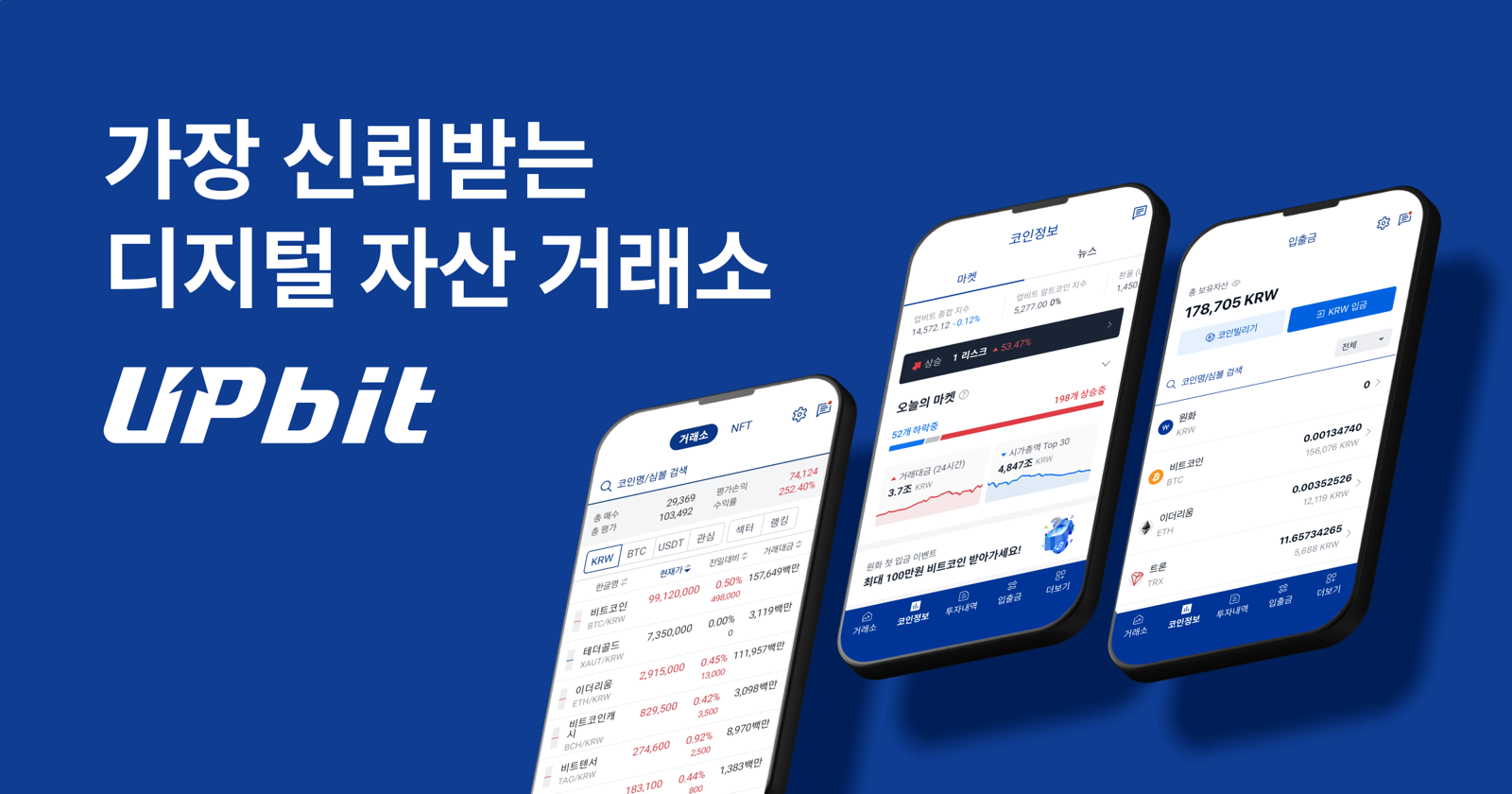
Once the account is ready, the workflow is straightforward: deposit KRW, choose a market such as BTC/KRW, place a limit or market order, review the estimated commission and check the completed fill. Upbit fees fit into that workflow as a visible transaction cost rather than a separate subscription or account maintenance charge for ordinary spot trading.
When limit orders matter more than market speed
A fee percentage is only one part of execution cost. Market orders prioritize immediate filling, so the execution price follows available liquidity across the order book. Limit orders define the price a trader accepts, which helps control the difference between the last displayed price and the actual fill. That price control is especially important on thinner altcoin books where the spread widens.
A trader comparing Upbit fees with the final amount received should separate commission from spread. The commission is the explicit exchange charge. The spread is the difference between bids and asks, and it changes with liquidity. A low commission does not erase a poor execution price, so order type matters when trading volatile pairs or larger sizes.
Records that make reconciliation easier
The cleanest cost review comes from completed order history. Filled value, fee, average execution price and timestamp give a more reliable record than the order ticket seen before execution. Partial fills deserve extra attention because one order can complete in pieces while still belonging to the same trading intent. Exported history helps match exchange activity with personal ledgers, tax software and portfolio trackers.
Upbit fees are easy to underestimate when deposits, trades and withdrawals are reviewed as one vague loss of balance. Separating them into rows makes the numbers legible: trading commission for the buy or sell, asset withdrawal fee for the transfer and any spread impact from the order book. This recordkeeping also helps compare BTC, ETH and XRP activity without mixing blockchain costs with exchange commissions.
Other Korean exchange fee models to compare
Local alternatives such as Bithumb, Coinone and Korbit give Korean traders other order books, banking relationships and promotional fee schedules to examine. The meaningful comparison is not just the posted commission. Liquidity on the exact KRW pair, withdrawal fees for the chosen asset, identity requirements and order type support all affect the final cost of moving from won into crypto and back again.
Global exchanges such as Binance or Coinbase operate with different fiat rails, maker-taker tiers and regional availability. They are useful reference points for understanding fee language, but they do not replace the KRW-specific experience on a Korean exchange. Handled this way, Upbit fees become one input in a broader decision about liquidity, won funding, asset support and reliable settlement.
Common questions about Upbit fees
Does Upbit charge the same fee for every KRW crypto pair?
KRW pairs use the KRW market fee line, so BTC/KRW, ETH/KRW and XRP/KRW follow the same style of percentage commission when they are traded as won-denominated spot pairs. The final won amount still changes with trade size and execution price. Crypto-to-crypto books, such as BTC-quoted or USDT-quoted markets, belong to different market groups and should be read from their own fee lines.
Can I avoid withdrawal fees by selling crypto back to KRW?
Selling crypto back to KRW avoids the asset withdrawal charge because no blockchain transfer leaves the exchange. The sale still creates a trading commission, and withdrawing KRW to a bank account follows the platform's fiat withdrawal process. This is why a trader comparing exit routes should separate selling costs from the cost of sending BTC, ETH, XRP or another asset to an outside wallet.
What happens if an Ethereum withdrawal costs more during network congestion?
Ethereum transfers depend on network conditions, and exchanges maintain listed withdrawal charges for sending ETH or ERC-20 tokens out. A congested Ethereum network raises the real cost of settlement across the chain, which is why ETH withdrawal lines differ from XRP, Bitcoin and other networks. The exchange fee is separate from the earlier spot trading commission paid when the asset was bought or sold.
Are maker and taker rates the main issue on Upbit fee comparisons?
For ordinary Upbit spot fee comparisons, the first split to understand is the market group: KRW, BTC or USDT. Some global exchanges emphasize maker and taker tiers, rebates or volume discounts, but a Korean won trader first needs to know which Upbit market the order uses and whether the final route creates one trade or multiple trades.
Which cost matters most for small XRP trades on Upbit?
For a small XRP trade that stays on the exchange, the percentage trading commission is the relevant cost. If the XRP is withdrawn to an outside address, the fixed XRP withdrawal fee becomes more important because fixed charges take a larger share of small transfers. The destination tag or memo also matters operationally for XRP deposits and withdrawals, since a missing tag can delay crediting.
Do I need a Korean bank account to use KRW fee pricing on Upbit?
KRW deposits and withdrawals on Upbit Korea are tied to regulated real-name banking setup. A user who cannot complete that account path cannot treat KRW trading costs as the only practical issue, because funding access comes before order placement. Crypto-only transfers and KRW markets are different workflows, so eligibility and banking setup affect whether the KRW fee schedule is usable.