Upbit is a KRW-first exchange workflow for Bitcoin, Ethereum, XRP and NFTs
South Korean digital asset exchange for spot trading cryptocurrencies, with BTC, ETH, XRP and NFT markets in one mobile-friendly platform.
Upbit is a South Korean digital asset exchange built around KRW spot markets, mobile trading, and a large local audience for Bitcoin, Ethereum, XRP and selected NFT activity. The useful angle is not just that it lists crypto assets; it is how a trader moves from Korean won funding to a live order book, checks asset-specific networks, and separates short-term market execution from longer-horizon custody decisions.
KRW pairs shape the trading experience from the first screen
The exchange is closely associated with Korean won markets, so the interface naturally leads users toward local price discovery. BTC/KRW, ETH/KRW and XRP/KRW pairs matter because they show demand in a market that trades during Asian hours with its own liquidity rhythms. A global dollar price is still relevant, but the won-denominated quote is the number a local trader acts on when entering or exiting a position.
That local framing also changes how people read gains and losses. A move in Bitcoin measured in USD does not always translate perfectly into KRW performance, because foreign exchange rates and regional demand influence the displayed quote. The well-known "Korea premium" concept comes from that gap: domestic prices sometimes trade above or below broad global references when demand, access, and transfer friction diverge.
BTC, ETH and XRP serve different jobs on the same order book
Bitcoin remains the reference asset for broad crypto sentiment. When volatility rises, many traders check BTC first because it anchors market direction and liquidity. Ethereum adds a different lens: its price reflects the market's view of smart contract activity, staking economics, Layer 2 growth, stablecoin settlement, and DeFi usage. XRP brings its own community, payment-network narrative, and strong visibility across Asian retail markets.
On Upbit, these assets sit beside smaller listings, but they do not behave like the same trade with different logos. Large-cap markets attract tighter attention, deeper books, and faster reaction to global headlines. Newer or thinner assets carry wider spreads and more abrupt moves. A sensible workflow begins with the market depth panel, not the chart alone, because the available bids and asks show the cost of acting immediately.
Limit, market and stop-style decisions change the real entry price
The order ticket is where the quoted price becomes a real trade. A market order prioritizes execution speed and accepts the available order book. A limit order sets the price first and waits for a matching buyer or seller. That difference matters most during sudden candles, when a thin order book turns a small-looking trade into a worse fill.
Many users watch the chart, then place an order without checking spread, book depth, and recent prints. Those three details explain whether the displayed price is actionable. If the best ask sits far above the last traded price, a buy order pays more than the chart suggests. If the bid side is thin, selling into weakness accelerates slippage. Upbit's real value for active users comes from combining those panels before committing funds.
Deposits and withdrawals require the right chain, memo and asset code
Moving crypto between venues is a separate skill from placing trades. The asset ticker is only part of the instruction. Some coins and tokens use multiple networks, and certain transfers require a destination tag, memo, or exact chain selection. A mismatch sends funds into a recovery process that is slow, limited, or unavailable.
This is especially important for assets that share familiar tickers across different infrastructures. Before sending USDT, XRP, ETH-based tokens, or chain-specific assets, the sending venue and receiving venue must agree on the same network and required extra field. A small test transfer remains the cleanest way to confirm the route when an address, tag, or network option is unfamiliar.
NFT activity belongs in a different decision lane
NFTs trade on a different logic from fungible coins. A BTC order fills against a broad market of identical units; an NFT purchase depends on a specific collection, trait set, floor price, and buyer demand. The platform's NFT presence gives Korean users a way to inspect digital collectibles alongside crypto markets, but the evaluation process is closer to buying a scarce item than entering a liquid currency pair.
Collection pages, recent sales, listed supply, creator identity, and royalty terms deserve more attention than a single floor number. The floor can be thin, and one purchase does not establish deep liquidity. When using Upbit for NFT exposure, a user should treat the decision as collectible-market research first and crypto-market execution second.
Mobile trading favors alerts, watchlists and fast account checks
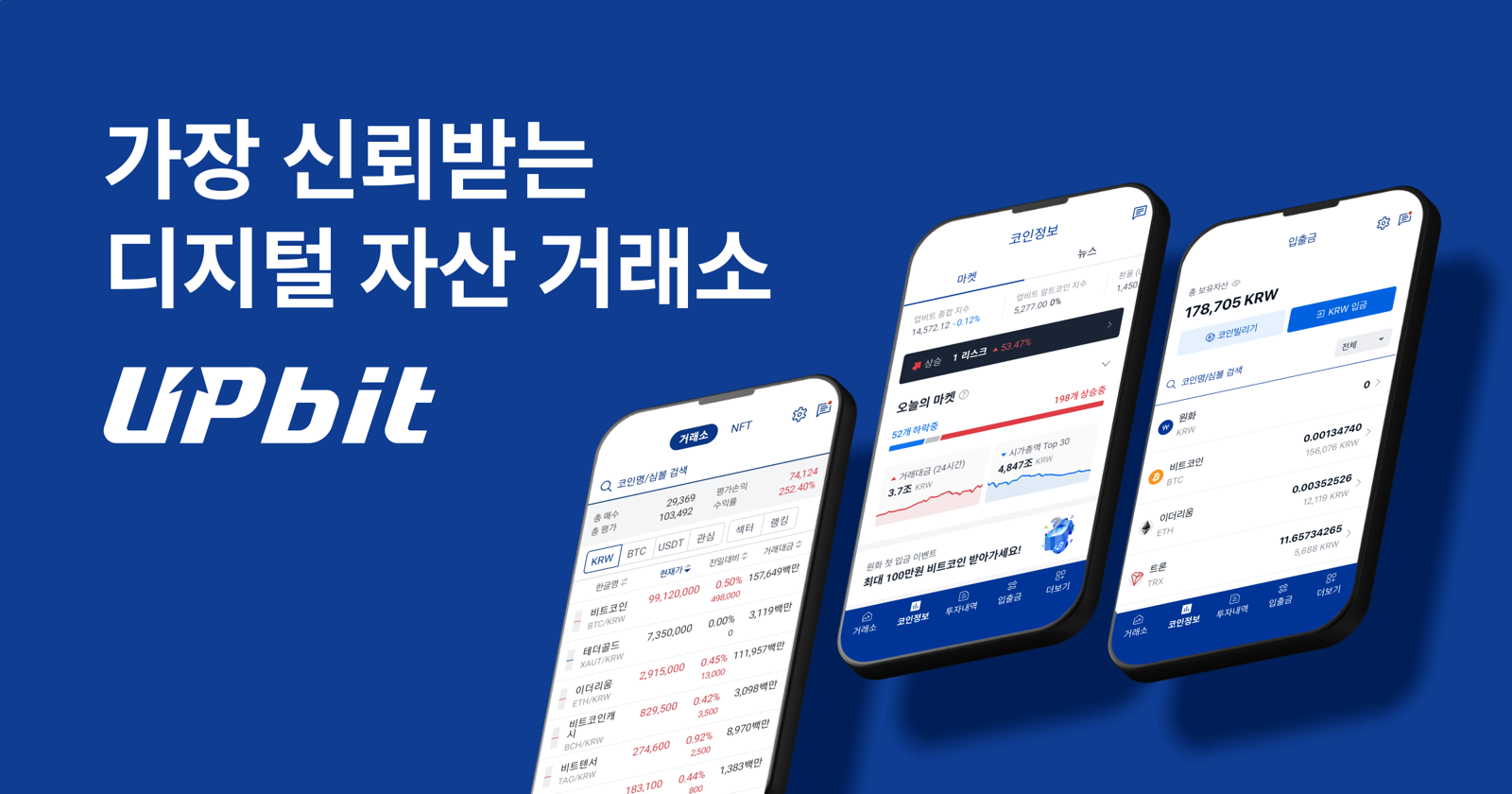
The mobile app is central to the product because Korean retail trading is heavily phone-driven. Watchlists keep major pairs visible during the workday, alerts reduce the need to stare at charts, and account screens show available KRW or coin balances before a market opens into heavier activity. The best mobile setup is practical: a short watchlist, price alerts at meaningful levels, and notifications limited to events that require action.
It is easy to overbuild a mobile dashboard. Too many alerts turn every small move into noise. A trader following BTC, ETH, XRP and a handful of watchlist names gets more value from fewer, cleaner triggers: a breakout level, a support retest, a deposit confirmation, or a withdrawal completion. Upbit's convenience is strongest when the phone becomes a control panel rather than a source of constant impulse trades.
Fees, spreads and premiums decide more than the posted chart
The visible trading fee is only one cost. Spread, slippage, withdrawal fees , and the KRW premium all affect the final outcome. A low percentage fee does not rescue a bad market order into a thin book. A profitable chart move can shrink after paying the spread twice, once on entry and once on exit.
Regional pricing adds another layer. When Korean demand is intense, a coin can appear expensive compared with offshore dollar markets. That does not automatically create an easy arbitrage, because identity rules, banking access, transfer limits, network delays, and withdrawal controls affect whether price gaps are actually tradable. The practical focus is the total path: deposit, buy, hold, sell, and withdraw.
Bithumb, Binance and Coinbase highlight the trade-offs
A Korean user comparing venues usually starts with Bithumb because it also serves local KRW crypto demand. Binance offers broad global liquidity, derivatives, launch products, and many non-KRW markets. Coinbase emphasizes a regulated U.S.-focused interface with strong fiat rails and a narrower asset experience in some regions. None of these fills the exact same role for every trader.
| Venue | Strong fit | Trade-off to notice |
|---|---|---|
| Upbit | KRW spot trading and Korean mobile usage | Access and features follow local rules |
| Bithumb | Domestic Korean exchange comparison | Liquidity differs by pair and time |
| Binance | Global asset breadth and non-KRW markets | Regional availability changes by jurisdiction |
| Coinbase | Simpler fiat onboarding in supported markets | Asset coverage and fees vary by region |
The right venue depends on the user's base currency, verification status, asset list, and withdrawal route. Someone managing KRW balances and Korean bank rails evaluates a different set of frictions from a dollar-funded trader seeking global derivatives or cross-chain token access.
A clean first-session workflow keeps the account organized
A first session should be boring and deliberate. Create the account, complete required verification, secure login, review funding options, and learn the trading screen before placing a meaningful order. The next step is to choose one highly liquid pair and compare the last traded price with the current best bid and best ask. That short exercise teaches more than scanning dozens of tickers.
- Set account security before adding funds.
- Check whether the asset trades against KRW, BTC, or another quote currency.
- Read the order book before using a market order.
- Confirm withdrawal network details before moving coins.
- Keep NFT purchases separate from liquid trading capital.
Once those habits are in place, the platform becomes easier to read. Upbit works best as a structured market terminal: KRW pairs for local execution, asset pages for research, wallet screens for transfer control, and mobile alerts for timing. The stronger workflow is not chasing every listing; it is knowing exactly which screen answers the next decision.
Before you start with Upbit
Does KRW trading require a Korean bank account?
KRW funding is tied to South Korea's real-name banking and identity rules, so full won deposit and withdrawal access is designed for eligible local users with the required verification. A visitor without the right residency, identity, or bank setup should expect limited functionality. Crypto-only transfers and market access depend on the account type, current policy, and the jurisdiction connected to the user profile.
Which order type should a beginner use for BTC or ETH?
A limit order is the cleaner learning tool because it forces the user to choose a price and inspect the order book. Market orders are useful when speed matters, but they accept available liquidity and create slippage during fast moves. For large BTC or ETH trades, splitting the order and watching the spread gives more control than sending one immediate order into the book.
Can I transfer XRP without a destination tag?
XRP transfers to exchange wallets commonly require a destination tag because many users share the same receiving address infrastructure. If the receiving deposit screen shows a tag, the sender must include it exactly along with the correct address. Sending XRP without the required tag creates an account-crediting problem, and recovery depends on the exchange's support process and internal records.
Fees on Korean crypto exchanges include what beyond commission?
The trading commission is only the visible line item. The real cost also includes bid-ask spread, price slippage, network withdrawal fees, and any regional premium or discount in the KRW market. A fast market order into a thin book costs more than the posted fee suggests. Reviewing depth before trading gives a better estimate of the all-in entry or exit price.
Is the NFT section used the same way as spot crypto trading?
NFT purchases require a collection-level review instead of a simple ticker trade. A buyer studies recent sales, listed supply, rarity traits, creator information, and floor depth before acting. Liquidity is much thinner than BTC, ETH, or XRP markets, so exiting a position depends on finding a specific buyer for that item rather than selling identical units into a deep order book.
Why do Korean prices differ from global dollar prices?
KRW crypto prices reflect local demand, banking access, capital flow limits, and the cost of moving assets between markets. When domestic buying is stronger than offshore supply routes, a premium appears. When demand cools or liquidity shifts, the gap narrows. The difference is not free money by itself, because verification, transfer time, withdrawal rules, and foreign exchange friction shape whether a spread is tradable.